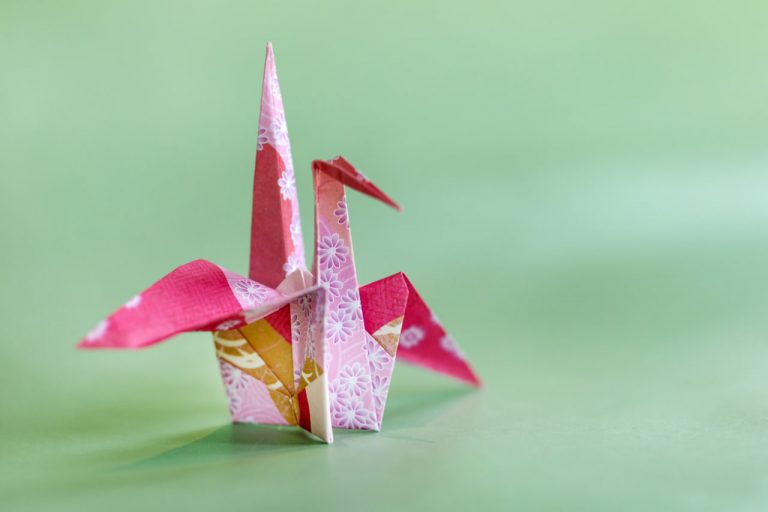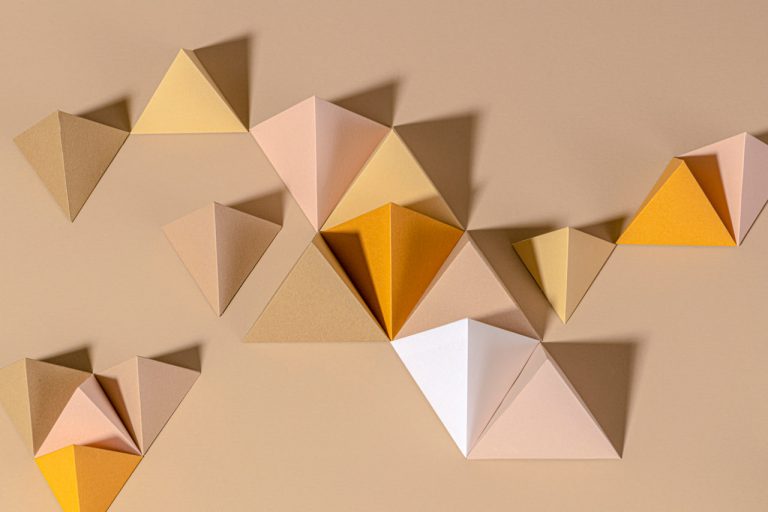
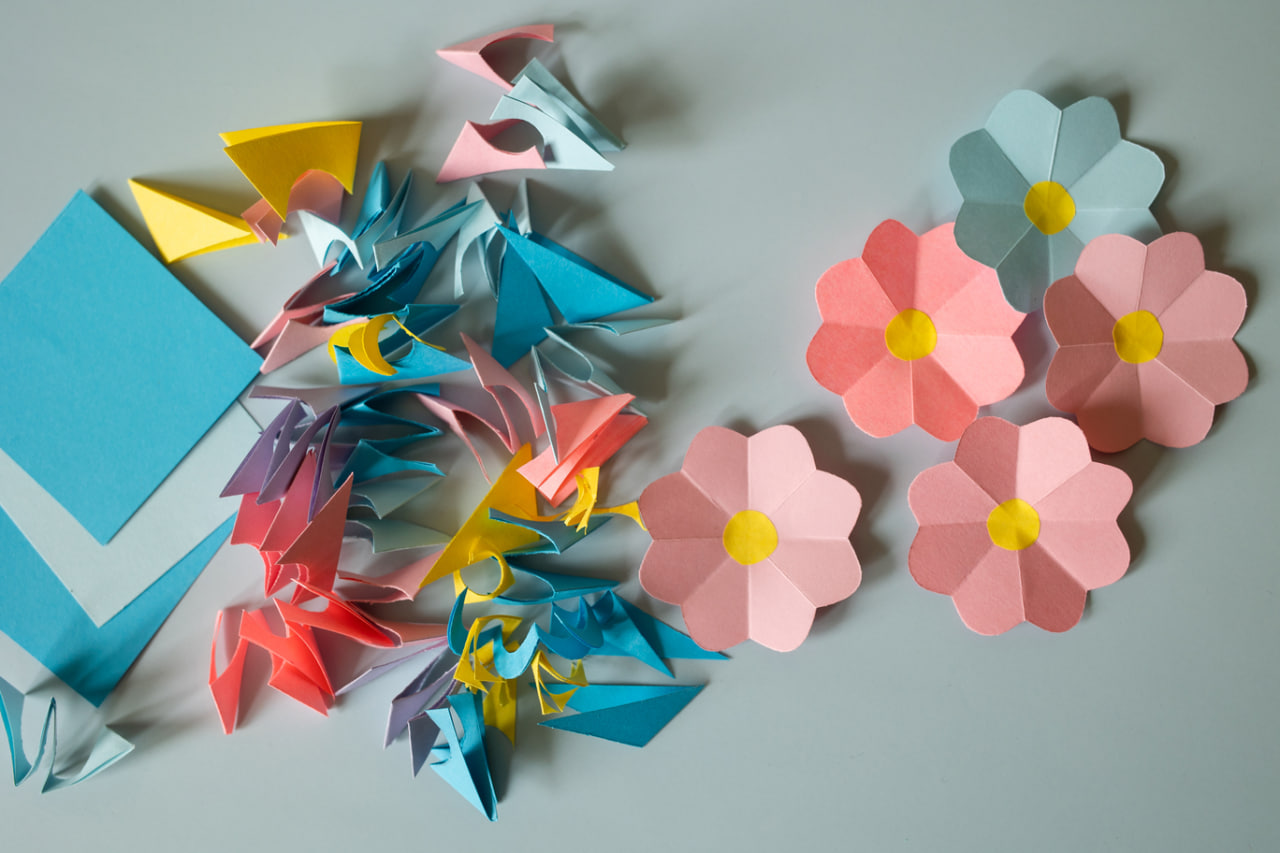
Paper art is more than folding sheets into shapes; it is a form of creative expression that transcends traditional techniques. From intricate cutouts to layered sculptures, paper becomes a medium for storytelling, exploration, and personal interpretation. By embracing imagination alongside craftsmanship, makers can transform a simple sheet into a work of art that reflects individuality, emotion, and aesthetic sensibility.
Expanding Beyond Traditional Origami
While origami provides a structured foundation, paper art extends far beyond folding. Techniques such as paper quilling, kirigami, and layered collage allow artists to explore texture, depth, and movement. Quilling, for example, involves rolling and shaping narrow strips of paper into intricate patterns, resulting in decorative designs and three-dimensional effects. Kirigami adds the element of cutting to folding, creating dynamic forms that interact with light and shadow.
Experimenting with these techniques encourages creative thinking and introduces new possibilities for artistic expression. Makers can combine multiple methods to produce hybrid works that challenge conventional ideas of what paper art can be.
Drawing Inspiration from Everyday Life
Inspiration for paper art is everywhere. Nature offers endless ideas — the curves of petals, the symmetry of leaves, and the patterns found in shells and insects can all inform design choices. Urban landscapes, architectural elements, and textures in fabric or metal provide additional sources of creative exploration.
Observing these details encourages makers to see potential in the ordinary. Translating observations into paper designs fosters a deeper connection with the environment and allows for the creation of pieces that are both visually compelling and meaningful. Keeping a visual journal or sketchbook helps capture fleeting ideas and provides a reference for future projects.
Color, Texture, and Material Exploration
Paper offers a variety of textures, weights, and finishes, each contributing to the final effect of a piece. Smooth, glossy papers can emphasize precision and reflectivity, while handmade or textured papers add warmth and organic character. Color choices also play a vital role in conveying mood, contrast, and harmony within a design.
Artists often experiment with layering different types of paper, incorporating metallics, or combining printed patterns with solid colors. This exploration of materials enhances creativity, allowing makers to push boundaries and develop a distinctive artistic voice.
Conceptual Approaches to Paper Art
Paper art can be used to express ideas, narratives, or emotions. Some artists focus on abstraction, creating flowing shapes and patterns that evoke movement and rhythm. Others tell stories through figurative representations, constructing characters, landscapes, or symbolic imagery. Conceptual thinking allows artists to imbue their work with intention, transforming technical skill into a meaningful message.
Engaging in conceptual approaches also encourages experimentation with scale and dimension. Large-scale installations, sculptural wall art, and interactive pieces invite viewers to experience paper in unexpected ways, further expanding the possibilities of creative expression.
Techniques for Layering and Dimension
Layering is a critical technique for adding depth and complexity to paper art. By stacking sheets or cutting multiple layers with precision, artists can produce shadow effects, relief patterns, and three-dimensional illusions. Combining folding, cutting, and layering results in dynamic designs that capture attention and invite closer examination.
Experimenting with overlapping colors, textures, and shapes strengthens visual impact and allows artists to refine composition. Layering encourages exploration of spatial relationships, teaching makers to balance intricacy with readability in their work.
Creativity Through Experimentation
The heart of paper art lies in exploration and risk-taking. Trying new methods, combining techniques, and testing unusual materials often lead to discoveries that shape a maker’s unique style. Mistakes or unexpected results become opportunities for innovation rather than setbacks.
Regular experimentation fosters flexibility, adaptability, and confidence in creative decision-making. By approaching each project with curiosity and openness, makers develop a mindset that values the journey as much as the final piece.
Building Personal Style
As makers explore various techniques, materials, and inspirations, a personal style naturally emerges. Signature elements, such as favorite color palettes, recurring motifs, or preferred textures, distinguish an artist’s work. Developing a recognizable style allows for consistency in projects while leaving room for creative growth and evolution.
Personal style also enhances the storytelling aspect of paper art. When viewers encounter consistent design elements, they recognize and connect with the artist’s voice, creating a lasting impression that transcends individual pieces.
Sharing and Inspiring Others
Paper art thrives in community. Sharing creations, techniques, and ideas inspires other makers and fosters a collaborative environment. Workshops, social media, and exhibitions allow artists to exchange feedback, discover new methods, and learn from diverse perspectives.
Teaching and mentoring also reinforce personal skills and expand creative thinking. Explaining techniques to others encourages reflection and refinement, ensuring that creativity continues to grow alongside technical mastery.
Paper as a Medium for Mindfulness
Engaging with paper art can be meditative. The focus required for precise cutting, folding, or layering encourages mindfulness, reducing stress and promoting concentration. This meditative quality strengthens the connection between mind and hands, allowing for deeper engagement with the creative process.
By embracing the contemplative aspects of paper art, makers experience a balance between skill development and personal expression. The process itself becomes a source of inspiration, creativity, and satisfaction, turning each project into a meaningful artistic experience.