In a fast-paced world filled with distractions, paper art offers a unique opportunity to slow down, focus, and engage in mindful creativity. Whether folding origami, layering paper for collage, or experimenting with quilling techniques, the act of working with paper encourages concentration, patience, and a meditative state. Mindful crafting transforms a simple hobby into a practice that promotes mental clarity, emotional balance, and overall well-being.
The Connection Between Crafting and Mindfulness
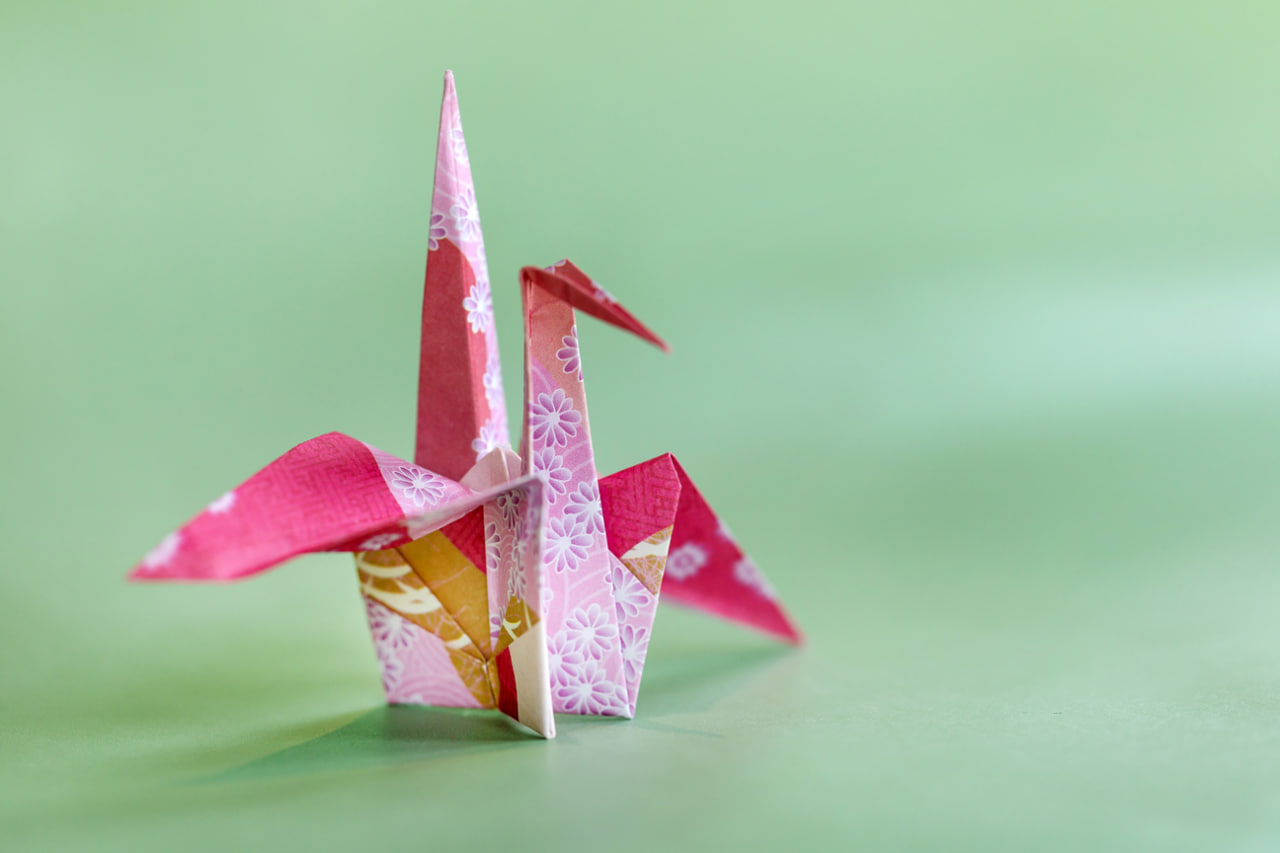
Mindfulness is the practice of being fully present in the moment, aware of thoughts, feelings, and sensations without judgment. Paper art naturally lends itself to mindfulness because it requires attention to detail, precise hand movements, and deliberate choices. Folding a crane, for example, demands focus on each crease and alignment, drawing the mind away from distractions and into the rhythm of the work.
This focus on process rather than outcome allows makers to experience a sense of calm. The repetitive motions involved in paper folding, cutting, or rolling can act like a form of meditation, reducing stress and creating a space for quiet reflection. Mindful crafting encourages individuals to engage both mentally and physically, enhancing the connection between mind and hands.
Developing Concentration Through Paper Art
One of the primary benefits of paper crafting is improved concentration. Intricate designs require sustained attention, from following step-by-step instructions to executing precise folds or patterns. This consistent engagement helps train the brain to maintain focus over longer periods, strengthening cognitive abilities and enhancing problem-solving skills.
Practicing concentration in crafting also carries over to other areas of life. Individuals who regularly engage in mindful paper art often report better attention span, increased patience, and improved ability to tackle complex tasks without becoming overwhelmed. By dedicating time to focused creativity, makers cultivate mental resilience alongside artistic skill.
Emotional Benefits of Mindful Crafting
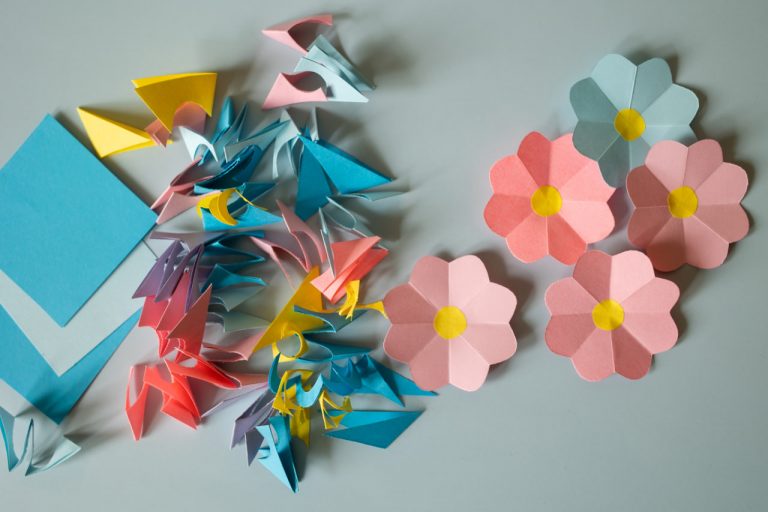
Paper art offers significant emotional benefits, providing a sense of accomplishment and satisfaction. Completing a project, whether a simple folded flower or a detailed quilled design, creates tangible evidence of effort and creativity. This sense of achievement boosts self-esteem and reinforces the positive effects of mindful engagement.
The process also allows for emotional expression. Color choices, textures, and shapes can reflect moods or personal narratives, turning paper art into a medium for releasing emotions and exploring feelings. This combination of focus and emotional expression supports relaxation, reduces anxiety, and fosters overall mental well-being.
Creating a Calm Environment for Paper Art
The environment in which one practices paper art can enhance the mindfulness experience. A quiet, organized workspace with adequate lighting and minimal distractions helps maintain focus. Soft background music or natural sounds can further support relaxation and concentration. By intentionally preparing a mindful crafting space, makers create conditions that promote immersion and enjoyment in the creative process.
Rituals and Routine in Mindful Crafting
Incorporating rituals or consistent routines into paper art practice strengthens mindfulness. Beginning each session with a few deep breaths, reviewing tools and materials, and setting a clear intention for the project can help center the mind. Regular practice, even for short periods, trains attention, deepens engagement, and encourages a calm, focused approach to both crafting and daily life.
Techniques to Enhance Focus and Relaxation
Certain techniques in paper art can further enhance mindfulness. Slow, deliberate folding emphasizes precision and awareness. Layering paper or creating repetitive patterns, such as quilling spirals, encourages rhythmic motion and mental presence. Focusing on textures, colors, and minute details draws attention to the sensory experience, heightening immersion in the activity.
Experimenting with new techniques or designs also fosters curiosity and engagement. Balancing challenge with skill ensures that crafting remains stimulating without becoming stressful, maintaining an optimal state for relaxation and flow.
Paper Art as a Tool for Stress Reduction
Engaging with paper art provides a natural outlet for stress reduction. The meditative quality of mindful crafting reduces tension, lowers heart rate, and encourages relaxation. By shifting focus from external pressures to creative expression, makers experience a mental reset that promotes clarity and calmness.
Regular practice of paper-based mindfulness techniques can create long-term benefits, including increased emotional stability, improved mood, and enhanced overall resilience. Integrating paper art into daily or weekly routines offers an accessible and enjoyable method for managing stress.
The Broader Impact of Mindful Crafting
Mindful paper crafting extends beyond personal relaxation and focus. Participating in classes, workshops, or online communities encourages social connection and shared creativity, which further supports emotional well-being. Sharing completed projects and learning from others builds confidence, fosters collaboration, and strengthens a sense of belonging within a creative community.
By cultivating focus, emotional awareness, and connection through paper art, makers not only enhance personal well-being but also contribute to a culture of mindful creativity. This combination of skill, mindfulness, and community makes paper art a powerful tool for holistic growth and sustained mental clarity.